


How design methods
faciliate transdisciplinarity
stimulate creativity
form
resilient collaborations
engage
diverse stakeholders
Design Methods Lab aims to help transdisciplinary researchers navigate the world of design methods so that they can build resilient collaborations. While many method catalogues exist, they often go unnoticed. Even when discovered, they tend to present a ‘one-size-fits-all’ approach, failing to address the nuances,
tensions, and dilemmas that arise across disciplines and stakeholders. We explore how different disciplines and professions approach and apply design methods in multi-stakeholder projects that cross disciplinary boundaries. We provide context-specific insights to apply design methods effectively in diverse settings.

Design Methods Lab builds on decades of research into design methods at the faculty of Industrial Design Engineering at TU Delft. Positioned in the Convergence Network, and in close collaboration with the Erasmus Social Design Hub, the lab works across various disciplines and application fields, bridging the gap between societal impact and cutting-edge research into design and transdisciplinarity.
Discover tools & methods
View all
Engaging stakeholders
Involving relevant stakeholders the process in an active and democratic manner
Stimulating creativity
Creating the conditions for everyone to express creative ideas
Systemic thinking
Seeing systems in their full complexity
Prototyping
Prototyping and formgiving to ideas
Futuring
Creating possible, probable, and desirable futuresDiscover method stories
View allYour story here
Have a story? Please get in touch by emailing d.ozkaramanli@tudelft.nl

Co-design to make energy transitions part of daily life
Jeltje van der Haer from Erasmus Social Design Hub talks about how she used co-design in a project that tries to bring sustainability to everyday life across three interrelated domains, namely food, energy, and governance.
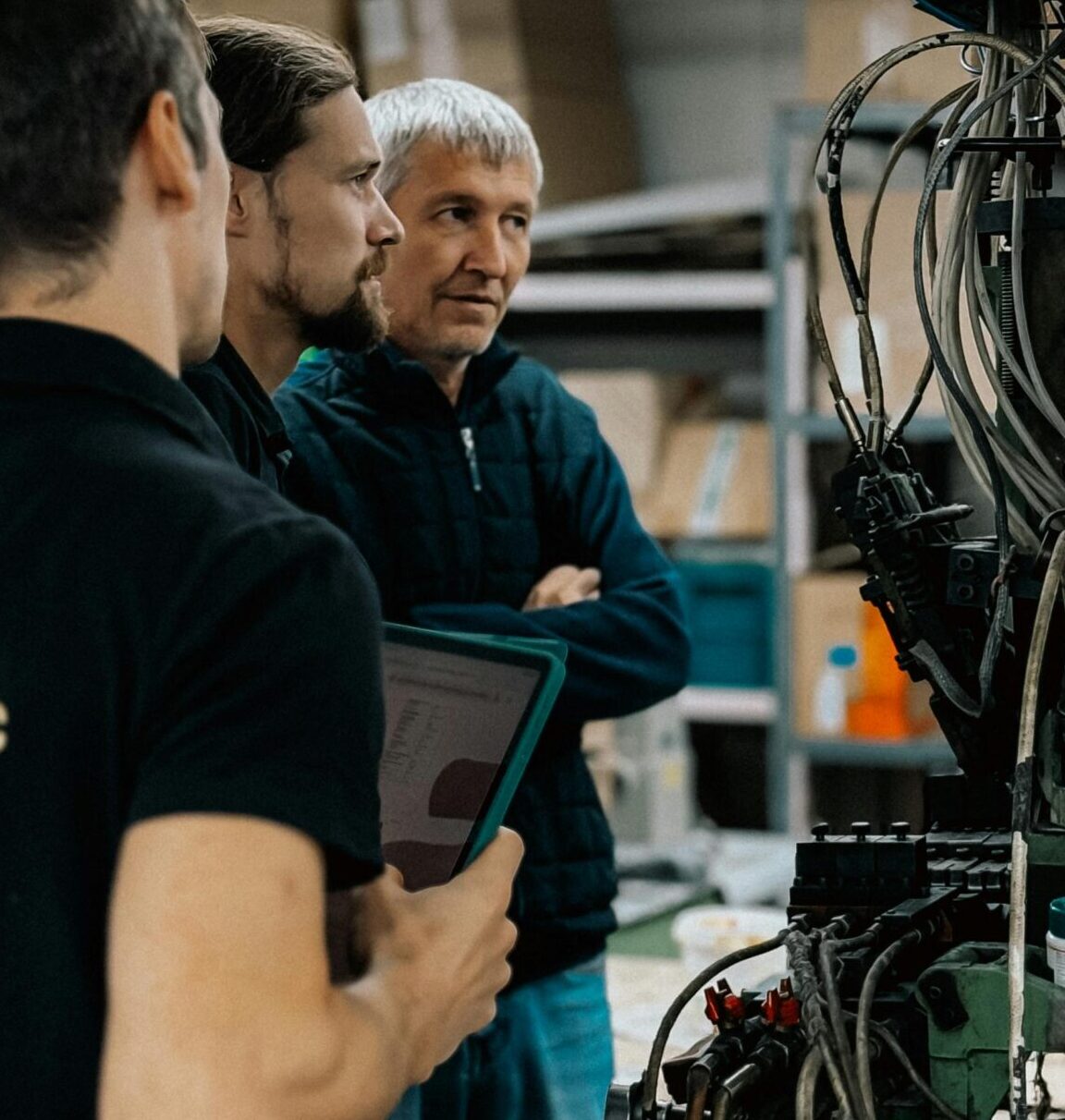
Creative facilitation for technical innovation
When Carolina Martellotto joined a multidisciplinary project team, she was stepping into a group that had already been working on a complex technical product for two and a half years. The team had diverse expertise, but now they were stuck on an engineering challenge. With a new perspective and a collaborative spirit, Carolina organized a series of 2-3 day sessions designed to stimulate new ways of thinking. She guided the team towards creative freedom, balancing when to loosen the rules to invite imagination and when to bring focus back to technical constraints.